Showing posts with label Diet. Show all posts

How to prevent muscle cramps

The muscle spasms or cramps occur when a muscle contracts or involuntarily, which becomes rigid causing pain and discomfort. Often arise at night during sleep or during and after physical exercise. Its causes can be several, from muscle fatigue, lack of minerals and vitamins in the diet to bad postures. Besides knowing treat them properly, it is important to know some tips that can help prevent muscle cramps.

How to prevent muscle cramps

Leading a sedentary life and not doing any physical activity is one of the main causes for the occurrence of muscle cramps. In fact, people who do not exercise in your daily routine are prone to muscle spasms more frequently. That is why sport or follow a regular routine of exercise will help you prevent and also enjoy better health at all times.

Yet it is also true that muscle cramps occur regularly during or after physical exercise, which may be due to prolonged exercise or muscle overload. In this sense, there are certain practices that we can take to prevent muscle cramps in training sessions:


  • Prepare the muscles of our body doing a good warming before starting the exercise, and perform stretching exercises at the end, will help prevent muscle cramps or spasms.
  • Increase our exercise intensity progressively and gradually. It is also essential not to exercise the body to reach a state of maximum exhaustion. 
  • Avoid physical activity when temperatures are extremely high or low.

Another of the most common causes of muscle cramps is the loss of fluids and minerals from the body. Therefore, it is essential to stay well hydrated throughout the day. Do not forget to consume the recommended daily amount of water (2 liters) and, especially, hydrated with plenty of water and sports drinks to make sport and exercise.

How to prevent muscle crampsWatch your diet is also a key factor in preventing muscle cramps, as its recurrent appearance may be due to a lack of minerals such as potassium, magnesium or sodium in the diet. These minerals are essential to keep our muscles in good shape and regulate the distribution of water in the body.

Try to include in your daily diet foods rich in potassium such as bananas, legumes, green leafy vegetables and nuts, and rich in magnesium such as brown rice, soybeans, dry beans, wheat bran or oat, sunflower seeds, etc. It is also good to consume foods high in vitamins C, D and E.

At bedtime, try not to take bad posture. Remain long with poor posture may involve muscle contractions that lead to the occurrence of nocturnal muscle cramps. This condition also occurs in women who abuse the use of high heels in their day to day.

Finally, a good way to prevent muscle cramps or spasms is by performing massages muscle in those areas of the body in which we usually have. The result will be excellent if we go to a good therapist, but we can also try to make them ourselves if possible.

If we follow the above procedures we will be prevent muscle cramps or spasms problems from our daily life and enjoy a healthy life.

Foods for Healthy and Strong Bones

Having healthy and strong bones is essential at every stage of our life and to achieve this and prevent, to the extent possible, diseases such as osteoporosis, it is important to take care of food and include two essential nutrients, calcium and Vitamin D. Both help to keep the bones in optimum condition and ensure good growth. If you want to know what ingredients you can find, in this article we suggest you through a selection of the best foods for healthy and strong bones.


Foods for Healthy and Strong Bones

The milk and other dairy products like yogurt and cheese are, as we know, one of the main sources of calcium and are essential to healthy and strong bones. Are preferred low-fat dairy products, they are healthier and offer the same or greater calcium intake than the rest. It's recommended daily consumption of 3-4 servings of dairy products, so you can complement or supplement the milk with yogurt and a few ounces of cheese. A highly recommended product today, for lactose intolerant, is soy milk, although it does not contain much calcium, is very rich in vitamin D, essential for the body to absorb calcium and growth bones.

Among the blue fish, find some like salmon, sardines and tuna are excellent for strengthening bones. Its rich content of vitamin D and omega 3 makes it especially good for increasing bone mass, since they increase the absorption of calcium in our body. They are very tasty and healthy food, so do not hesitate to include them in your diet, you can take them in different ways, either grilled, marinated or with salad, pasta, etc.

Another food that helps maintains strong bones are the spinach. In fact, this vegetable dish contributes approximately 25% of the recommended amount of calcium, and also allows us to benefit from their content rich in fiber, iron and vitamin A. Similarly, other vegetables that are good for the care of our bones are broccoli, chard, turnip and cabbage.

Foods for Healthy and Strong BonesNuts such as hazelnuts and almonds are also a rich source of calcium. Besides being great for the strength of our bones, provide an important contribution of vitamin E, iron and protein to our body, so take them without overdoing it a good choice for our health.

The egg yolk contains enough amount of vitamin D and, being one of the more easily incorporate foods in our diet, turns out to be an ingredient that we can use to promote bone density and strengthen bones.

Other ingredients that can be taken daily and that will help us to have healthy and stronger bones are cereals such as oats and wheat. They are ideal to take with milk, yogurt or as a component of salads or other dishes.

Lemon is beneficial for health

There are many foods and natural products that have beneficial properties for the body and the human body. A good example are the lemons that in addition to providing vitamins and minerals, offers plenty of benefits to health and can be used  to alleviate some conditions. In this article we explain in more detail what the benefits of lemon.

Lemon is beneficial for health

Like other citrus, lemon is known for its high content of vitamin C, but also contains vitamins A, E, and B group and various minerals: potassium, magnesium, calcium, phosphorus. This will make lemons become a great source for the body's defenses that will help prevent disease.

The lemon helps to eliminate toxins, and also facilitates the movement of the intestines, helping to regulate traffic. This can be taken every morning a glass of hot water with lemon juice.

Furthermore, lemons are beneficial to blood circulation problems, since the active and improvement. Therefore, it will be appropriate in case of hypertension, varicose veins, hemorrhoids, and other cardiovascular conditions.

Lemon is beneficial for healthThey can be solved with lemon digestive disorders such as indigestion, slow digestion, lack of appetite, etc. Citric since this improves digestion. This can be taken in juice or as tea.

Another of the benefits of the lemon is the fact of being a great antioxidant, which helps prevent aging of cells and neutralize free radicals.

Another benefit of the consumption of lemon is the fact that citric acid promotes the dissolution of the calcium deposits, as well as kidney stones and gallstones.

Balance Diet for good Health

Ten Essential Foods For Balance Diet

healthy food

  1. Vegetables: Eat vegetables twice a week helps to cope with fatigue as an important source of minerals.
  2. Eggs: It’s content of lecithin and phosphoric, vitamins A, B and E, and the quality of its high protein biological index help to regenerate our muscles. It can be taken 5 or 6 in a week.
  3. Nuts: help replenish your energy by its mineral content and B vitamins you take one or two handfuls every day you train.
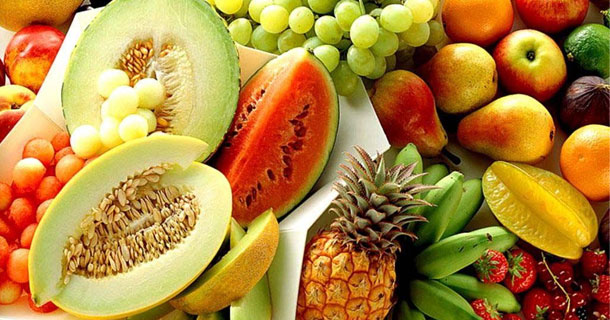
  4. Fruit: It is recommended to eat at least 3 pieces of fresh fruit a day. Its antioxidants keep free radicals accumulate involved in many injuries, so it can help prevent injuries.
  5. Yogurt: This dairy product is rich in protein, calcium, vitamins A and D and starter cultures that regenerate the intestinal flora. It helps our immune system, making it convenient to eat at least once a day.
  6. Bluefish: indispensable food for athletes because it contains vitamin B12. It should drink 3 to 4 times a week.
  7. Water: it is simply essential to maintain hydration of the body. It should drink between 1.5 and 3 liters of water a day.
  8. Virgin olive oil: it is common knowledge that olive oil is beneficial for health to be rich in antioxidants and unsaturated fats. For an athlete is especially important because it improves blood circulation and speeds recovery. You have to take two tablespoons a day, three days of intense training.
  9. Garlic: Whenever possible you garlic to your meals, as it helps prevent circulatory problems and infections.
  10. Wheat germ: add to your dishes a tablespoon of wheat germ 5 times a week for protect your immune system and prevent wear of your muscles.


Try to Eat Less & Make an Imagination

Eating Habit and our Health

A group of scientists has discovered that with the desire to eat chocolate and sweets to imagine the action taking large amounts of these products can help satiate the appetite.

Health

When we seem an chocolate bar ultimately brings some feelings in our mouth & mind. Our stomach is taken preparation by flowing extra fluid.

But according to this study, if you imagine a chocolate tasting and displayed every bite, chewing and swallowing, probably eat less if they put forward a real one.
The article entitled "Thought for food: consumo imagined you reduce current consumption", published in the journal Science, indicates that for most people the first bite of each meal is best.However, as you keep eating the food every bite is less attractive than before. This action of "get used" to a food is called habituation.
Morewedge Dr. Carey and his colleagues at Carnegie Mellon University in Pittsburgh (USA) have used the chocolate and cheese to show that imagination may be sufficient for a person gets used to food and thus, when consuming and not really awaken the same interest.
The researchers conducted several experiments in which he asked a group of participants to imagine eating lots of chocolate or cheese.The other participants were asked to imagine eating these foods in smaller amounts, or more, but of a different food, and another group was asked to imagine doing something completely different.
After the participants to imagine what it was required, the researchers placed a plate full of chocolate and cheese and asked them to eat as much as they wanted.Morewedge and his team found that participants who imagined eating lots of chocolates or cheese ate much less than others.
The researchers suggest that the type of mental images to visualize the whole process of eating a chocolate has very different from a brief mental image, which often cause more desire.The team is conducting further studies to understand how this form of mental imagery can help regulate behavior in diets or treatments to stop smoking. 

Twitter Delicious Facebook Digg Stumbleupon Favorites More